
The Florida Fish and Wildlife Conservation Commission (FWC) continues to monitor bird mortalities suspected to be attributed to Highly Pathogenic Avian
Influenza throughout Florida. This strain has been documented in the United States since 2021 and was detected for the first time in Florida in January 2022.
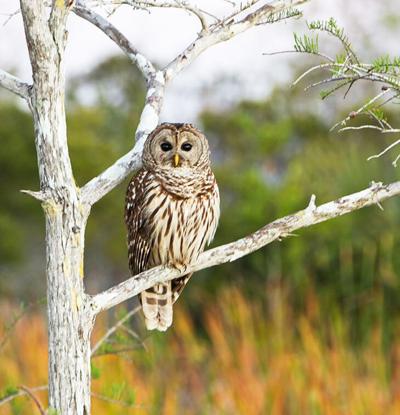
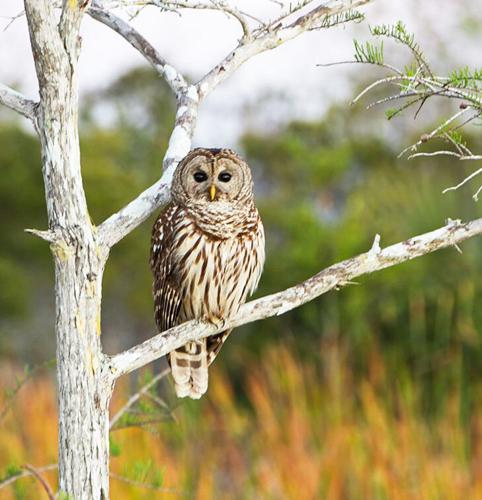
The FWC has documented the virus in 37 counties and a variety of bird species. The most common species affected in Florida include black vultures, lesser scaup and Muscovy ducks. Owls, bald eagles and other raptors, along with aquatic birds and waterfowl, have also been affected.
There is a low risk of HPAI transmission to humans, which can be minimized by following basic safety protocols.
To prevent the spread of HPAI, the public should avoid handling sick or dead wildlife, prevent contact of domestic birds with wild birds and report wild bird mortalities to the FWC.
Domestic poultry mortality should be reported to the Florida Department of
Agriculture & Consumer Services.
Additionally, precautions for hunters, the general public and wildlife rehabbers can be found at MyFWC.com/AvianInfluenza.
Please be advised that because HPAI is not treatable and is easily transmitted in wild birds, some wildlife rehabbers may not accept these animals.
Information regarding carcass disposal is available through the Florida Department of Agriculture & Consumer Services.
The FWC is working closely with the United States Department of
Agriculture-Wildlife Services, the Florida Department of Agriculture and Consumer Services, the University of Florida, the National Wildlife Health Center, the Southeastern Cooperative Wildlife Disease Study, the Florida Department of Health and wildlife rehabilitators to study mortality events involving wild birds.
Additional Resources:
• Florida Fish and Wildlife Conservation Commission: MyFWC.com/Avian
Influenza
• Florida Department of Health: FloridaHealth.gov/diseases-and-conditions/
influenza/index.html
• Florida Department of Agriculture and Consumer Services: fdacs.gov/Consumer-Resources/Animals/Animal-Diseases/Avian-Influenza
• Carcass Disposal Guidelines: Guidance for Wild Bird Carcass Disposal
• USDA Highly Pathogenic Avian Influenza in Wild Birds: USDA APHIS | 2022-2023 Detections of Highly Pathogenic Avian Influenza in Wild Birds
• USDA Highly Pathogenic Avian Influenza in Mammals: USDA APHIS | 2022-2023 Detections of Highly Pathogenic Avian Influenza in Mammals
• USDA Defend the Flock Program: USDA APHIS | Defend the Flock Program

(0) comments
Welcome to the discussion.
Log In
Keep it Clean. Please avoid obscene, vulgar, lewd, racist or sexually-oriented language.
PLEASE TURN OFF YOUR CAPS LOCK.
Don't Threaten. Threats of harming another person will not be tolerated.
Be Truthful. Don't knowingly lie about anyone or anything.
Be Nice. No racism, sexism or any sort of -ism that is degrading to another person.
Be Proactive. Use the 'Report' link on each comment to let us know of abusive posts.
Share with Us. We'd love to hear eyewitness accounts, the history behind an article.