


Fall has arrived, and so has the annual flu season — a time when a runny nose may turn into a nasty bout of the influenza virus with fever, cough and aches.
The flu, which is highly contagious, can affect people of all ages.
While not typically fatal, it can be deadly to young children and older people whose immune systems can be compromised. In some cases, it may lead to hospitalization, significant health complications and even death.
Influenza activity typically begins to increase in October, with the peak occurring in December through February. This year’s season could start early and be more severe, the Centers for Disease Control and Prevention (CDC) warns.
The CDC says getting the flu vaccine early is the best way to help protect yourself and your loved ones from the virus. The agency is recommending the vaccine for everyone 6 months and older, with few exceptions.
If you’re unsure a flu vaccine is right for you, you’re not alone. There can be a lot of confusion out there surrounding vaccines.
To help, Dr. Mayrene Hernandez, United Healthcare senior chief medical office in Florida, fact checks five common flu vaccine myths.
Myth #1: You can get the flu from the flu vaccine.
Facts:The vaccines can’t cause flu illness. They are made with either inactive viruses or only a single protein from the flu virus. In fact, doctors strongly recommend getting the flu vaccine because it’s the single best way to help protect yourself from the flu. The flu vaccine is safe, it doesn’t cause serious side effects and may even help reduce the seriousness of your symptoms if you do get the flu.
Myth #2: The flu vaccine isn’t safe for older adults.
Facts:The flu vaccine is safe, simple and a smart choice for all ages, starting at 6 months. Older adults, who are at higher risk for serious flu complications that could result in a hospital stay, are especially encouraged to get the vaccine.
Myth #3: The flu vaccine causes strong side effects.
Facts:The side effects of the flu vaccine are generally mild, according to the CDC. Some people may have soreness, redness or swelling where the shot was given, a low-grade fever or minor aches, but these issues are typically short-lived. The CDC stresses, because of how the vaccines are produced, you cannot get influenza from the flu shot or the nasal spray vaccine.
Myth #4: I got a flu vaccine last year, so I’m fine for this year.
Facts:The flu virus changes each year, so flu vaccines change as well. Plus, the body’s immune response to a flu vaccine declines over time, which means a yearly vaccination is the best option for protection, according to the CDC.
Myth #5: I got the COVID-19 vaccine and so I can’t get the flu vaccine.
Facts:The viruses are different, and so are the vaccines used to prevent them. There are no interactions between the vaccines, and both are recommended by the CDC to help maintain optimal health. Additionally, if you want to save a trip, you can get the flu vaccine and the COVID-19 vaccine at the same time.
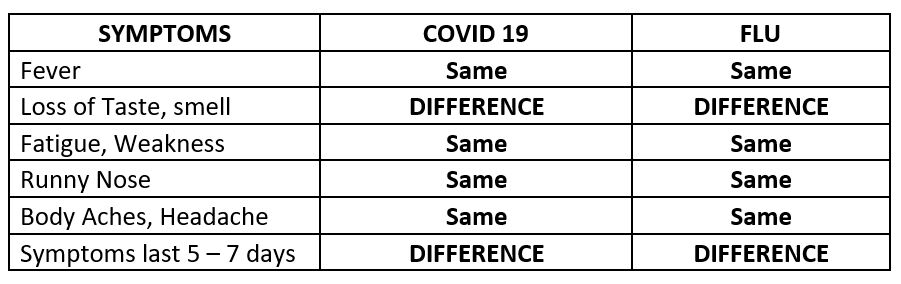
October brings the start of flu season, along with the continued threat from Covid-19. Here are the top reasons why:
• We spent the last year masked up and isolated and our immune systems are likely weak because of it.
• Now as more people are out and about, going to restaurants, having family gatherings, the flu could spread quickly.
• Throw in the continuous threat of COVID-19 and the fact that a lot of people are tired of getting shots a/k/a “vaccination hesitation” … our local health care system could be over-burdened worse than what just happened at the peak of the DELTA variant outbreak.
Right now, medical providers with American Family Care (AFC), a national healthcare network with local urgent care clinics can help.
Do you need the flu shot before local cases start to spike?
Yes. Getting a flu shot cuts down on flu spreading in your community. Since we didn’t really have a flu season last year, we need to build up immunity to fight the virus. Getting the flu vaccine doesn’t mean you will not get the flu, it will limit the severity of your symptoms and keep you out of the hospital.
Who should get the flu shot now? All adults – even pregnant women -- should get the flu vaccine by the end of October. Children over the age of 6 months should also get a flu shot by the end of this month. Keep in mind, some kids might require two doses, so you will need to plan it out.
Dr. Benjamin Barlow, chief medical officer of American Family Care. “In addition to getting vaccinated, families should continue to wash or sanitize their hands to slow the spread of flu and COVID germs. ”
AFC medical providers are also urging families to remember flu and COVID-19 share similar symptoms like a dry cough, fever and shortness of breath. As you can see, there are some distinct differences that set them apart.
• A loss of smell and taste is a symptom connected to COVID-19 and is considered rare among flu sufferers.
• Nasal congestion and a runny nose are symptoms associated with the flu that is not seen in COVID-19 patients.
• Flu symptoms come on rapidly, whereas symptoms for COVID-19 can take upwards of 14 days to appear.
AFC docs say you cannot gauge symptoms on your own.
It is important to see a healthcare provider and get tested to determine treatment.

(0) comments
Welcome to the discussion.
Log In
Keep it Clean. Please avoid obscene, vulgar, lewd, racist or sexually-oriented language.
PLEASE TURN OFF YOUR CAPS LOCK.
Don't Threaten. Threats of harming another person will not be tolerated.
Be Truthful. Don't knowingly lie about anyone or anything.
Be Nice. No racism, sexism or any sort of -ism that is degrading to another person.
Be Proactive. Use the 'Report' link on each comment to let us know of abusive posts.
Share with Us. We'd love to hear eyewitness accounts, the history behind an article.